The difference between showing up and showing yourself.
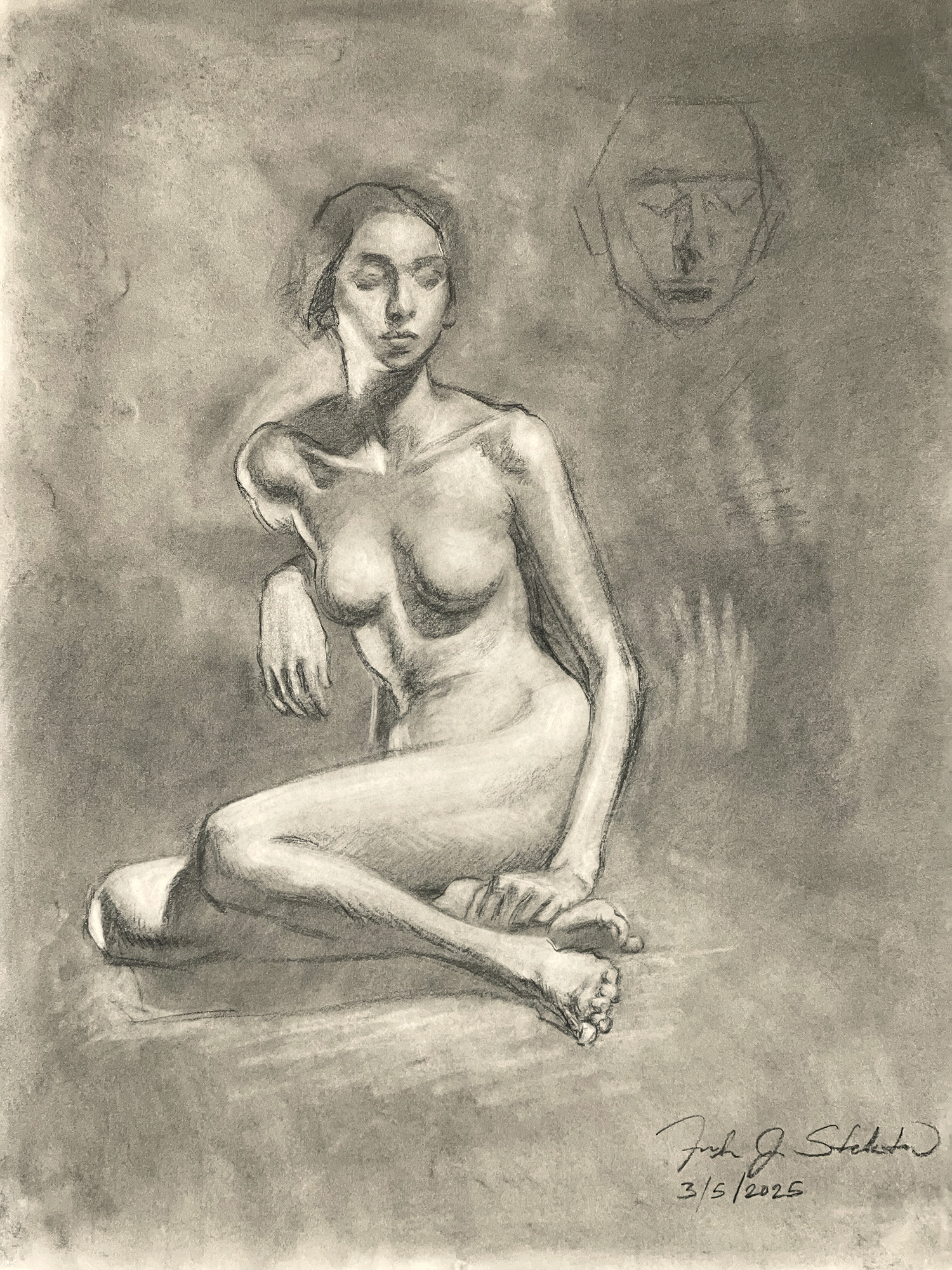
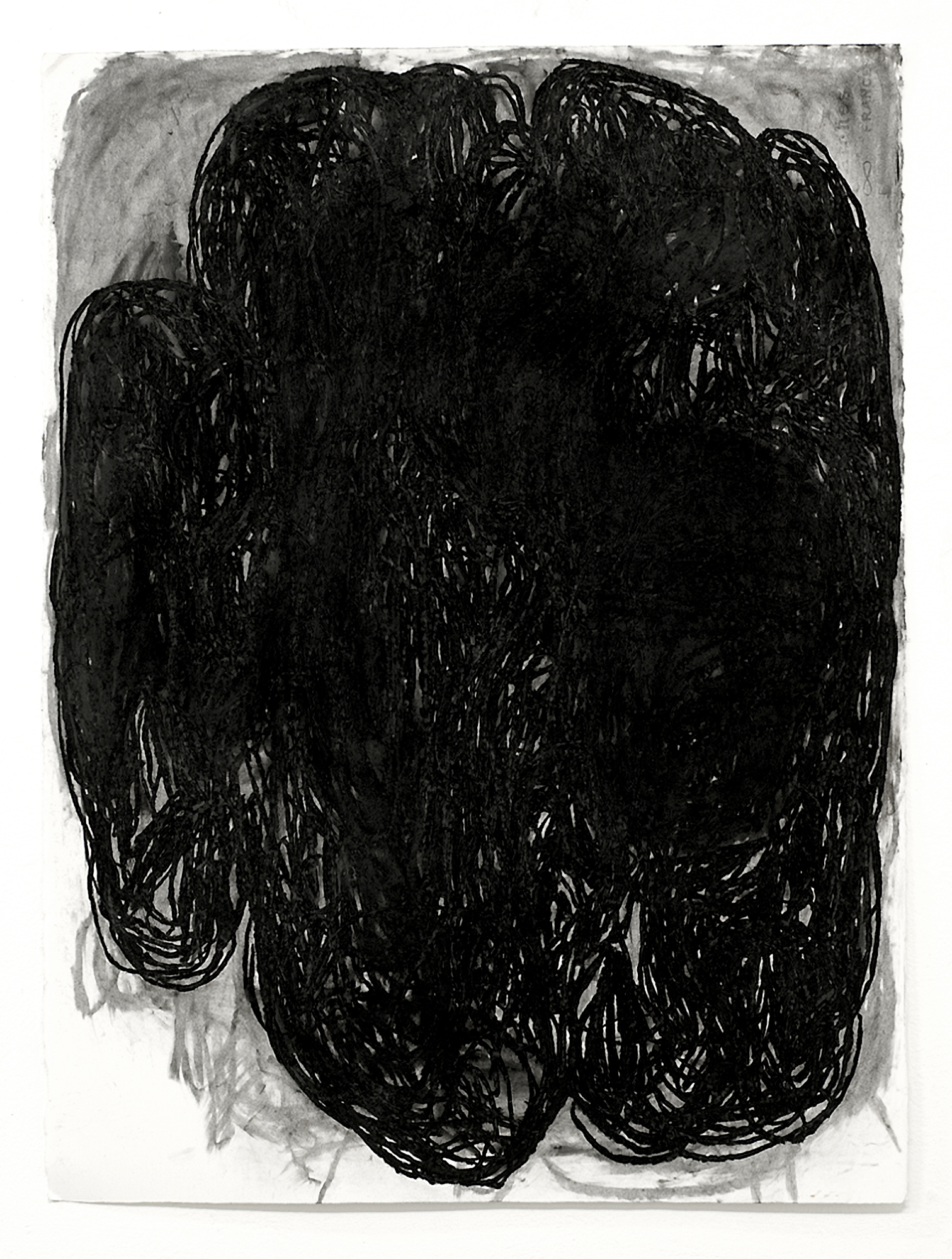
When I was in art school, the illustration department would hold a competition each semester to decide who got scholarship money.
The competition was fierce.
You’d walk down the halls flanked by mini-exhibitions vying for your attention. Certain ideas would brush against you as you walked by.
We learned something our first year, whether we could name it or not: immaculate figure drawings and perfect perspective never scored as high as the self-directed projects that hung beside them, even when those projects were poorly executed.
I used to think improvement was straightforward: more knowledge + control = better art. The scholarship competition suggested otherwise — that accuracy and conviction were not the same thing.
The personal projects felt exposed in a way the exercises didn’t. I didn’t have the language for it yet, only the suspicion that some work was being made to succeed, while other work was being made to matter.
I am a literal-minded artist in many ways. I was educated first as an illustrator before studying fine art, and my early training was linear by design. My eyes confirmed the existence of skill and that it could be built, refined, and improved. Not everyone could be a virtuoso, but everyone could get better. Studying great works of art seemed like an obvious path forward.
Although useful early on, the concept of “practice” is a mental framework that protects the developing student. It builds confidence by making failure seem smaller. Focusing on mileage lets you dodge the anxiety that comes with risk-taking. But for serious artists—especially those who admire “skill”—this mindset can derail the mission of making work that actually stands up.
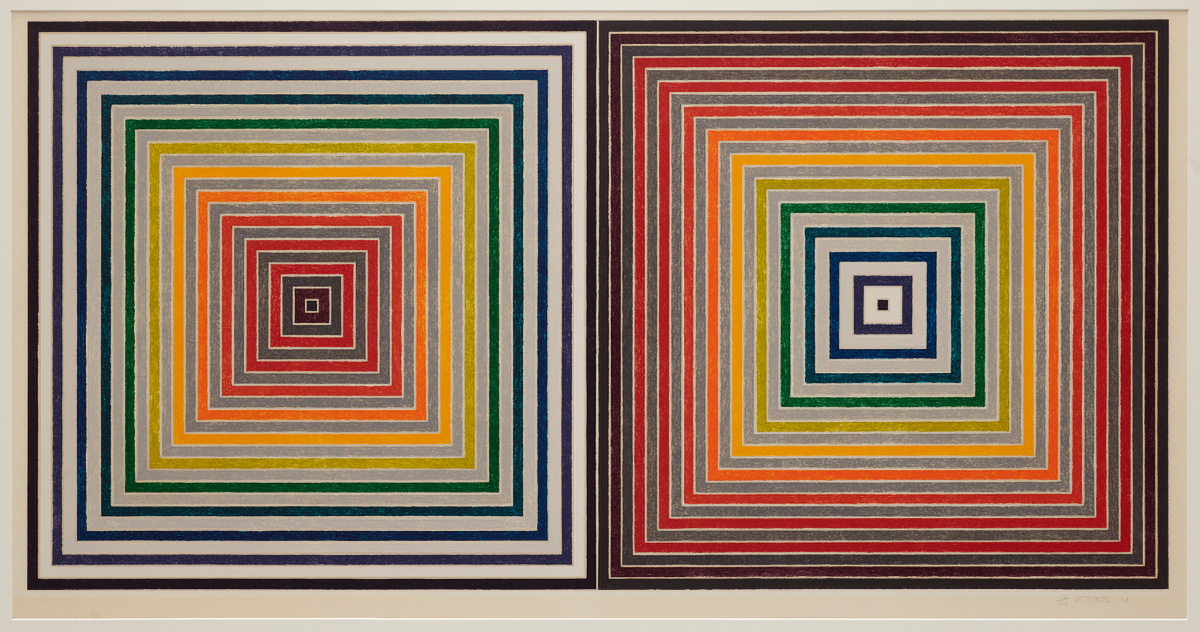
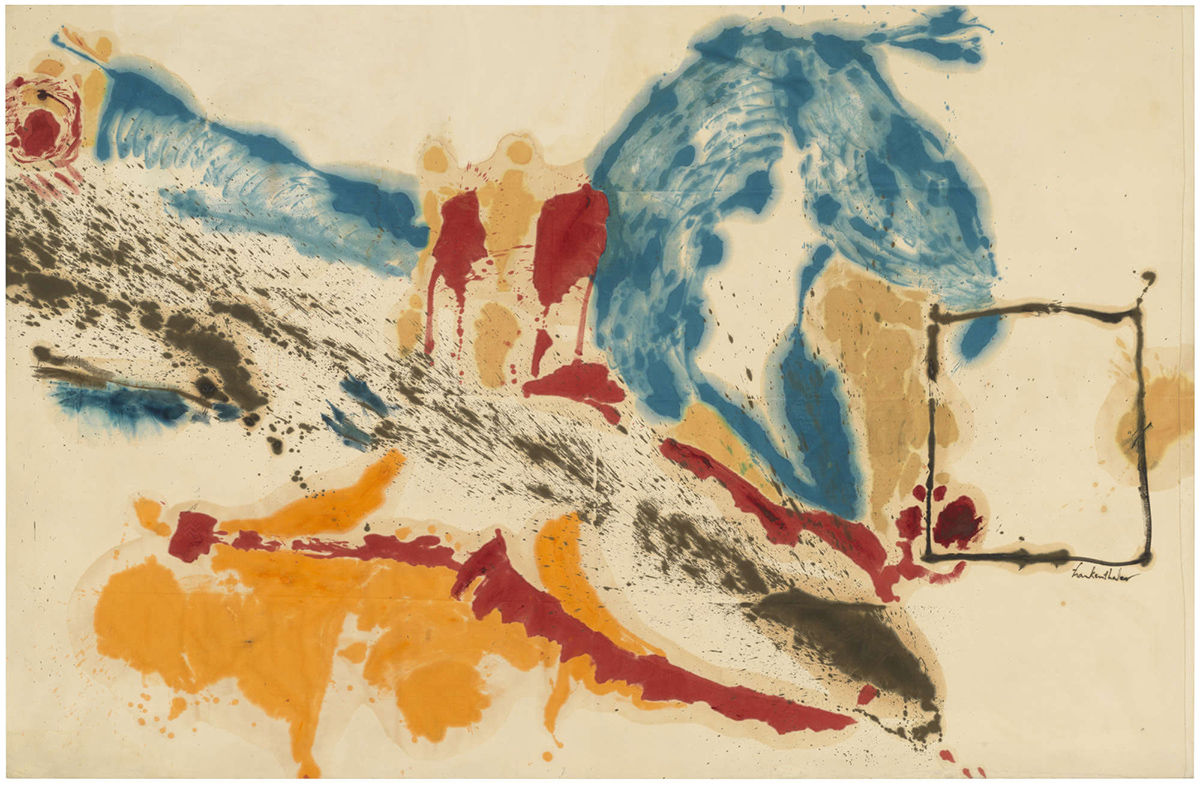
I have always loved abstract painting but it took me a long time to understand it. I remember sitting in art history class and being tantalized by the paintings of deKooning, Johns, Rauschenberg, and others. I could sense their work’s “presence” even on a projector screen. But when the lights came back on, I would return to the task of improving my skills. However, the thought still lingered: what was it that made that work feel so alive?
“The man who is forever acquiring technique with the idea that sometime he may have something to express, will never have the technique of the thing he wishes to express.”
– Robert Henri,The Art Spirit
The answer is that great painting doesn’t appeal to external standards of correctness, and abstract painting makes this distinction especially clear. With no subject to hide behind, every move carries belief. When deKooning drags and scrapes paint, when Stella lays down rigid bars of color, or when Frankenthaler bleeds pigment into an expanse of raw canvas, the work declares its own ideals. The work has high stakes.
A painting can’t be for practice if it’s going to matter. (Not because studies are worthless, but because the work that matters can’t hide behind the category of study.)
Abstract painters know this. Why would you “practice” abstraction?
Practice is work done in preparation for something else. Its value is in what it might produce later, not right now. Exercises, class assignments, studies, and drills fall under this category. Practice lets you pretend the decisions aren’t yours yet.
Agency means taking responsibility for decisions you can’t blame on the assignment, the exercise, or the setup. The more agency one claims, the greater the risk of failure. Work created as practice postpones that responsibility. If it doesn’t matter, disappointment is optional. In other words, practice protects you from finding out what you actually believe.
If you’re good at practice, you can get stuck there forever.
By stakes, I mean the amount of risk an artwork expresses. Some work has low stakes, like studies, drills, and exercises. The decisions that inform the work are externally prescribed, and failures can be attributed to learning. Practice has a built-in alibi.
“We talking about practice. Not a game. Not a game. Not a game. We talking about practice, man.”
– Allen Iverson
Decisions that deviate from practice begin to raise the stakes. Failure seems somehow personal, a little more risky. Your peers might think the work sucks, or worse, that it’s gimmicky. Over time, the accumulation of your choices begins to develop your point of view, and risk becomes easier to bear.
When context can no longer explain your choices, the stakes are at their highest. This doesn’t necessarily mean that the work is louder or more ambitious—it is simply less defensible. Rehearsal has ended; the game has begun. The work is exposed. You’re making art.
Basically, I think of practice as an exercise in control. We practice because we want to shape outcomes, to reduce uncertainty in the work. This makes a lot of sense for an illustrator, a portrait artist, or someone who works with clients on commission, where consistency is crucial.
But consistency introduces a new danger. If the process becomes muscle memory, the hand knows what to do before the artist decides whether it should. The stakes start to wane and the work dies, or becomes “wax museum,” as Philip Guston would say. Practice has crept back in. Risk needs to re-enter if the work is going to matter.
Practice is useful for exploring possibilities, but if those possibilities are never tested, it’s a dead-end. To use a sports metaphor, you can do drills and shoot hundreds of free throws, but it won’t replace game-time, where the stakes are win or lose. Focus on making art rather than practice, and you’ll get a lot closer to the thing you’re looking for.
Artmaking begins when intentionality and intuition overtake skill. Don’t just show up and go through the motions. Habit can make a practice but it can also kill one when the work avoids risks. You have to risk embarrassment or failure, even casually, even when no one is watching.
Work stops being practice when you’re willing to lose.
Play for keeps.